
Gas Line Service Timing and Maintenance
Gas line service is essential for maintaining safety and efficiency in residential and commercial properties. Proper timing ensures optimal performance and reduces the risk of leaks or failures. Scheduling during specific seasons or conditions can enhance the longevity of gas lines and prevent costly repairs.
Perform gas line inspections before the peak heating or cooling seasons to ensure safety and efficiency.
Schedule gas line services after new construction or renovations to address potential installation issues.
Address issues immediately if there are signs of leaks, corrosion, or decreased performance.
Every 3-5 years, depending on usage and age of the gas lines, to prevent unexpected failures.
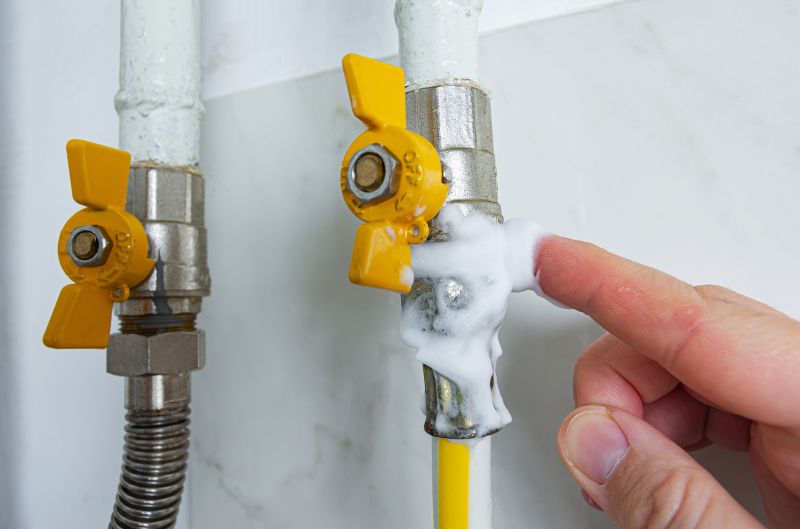
Technicians examining gas lines for leaks and corrosion.
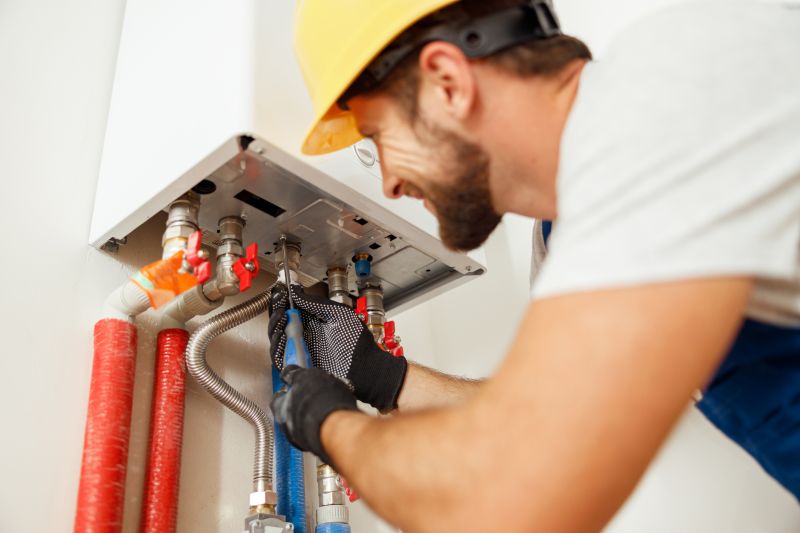
Technicians repairing or replacing damaged gas lines.
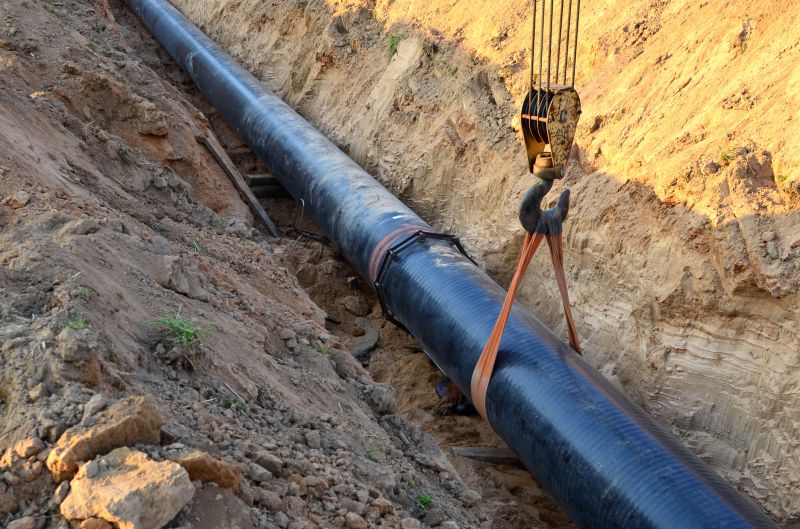
Installing new gas lines during construction projects.
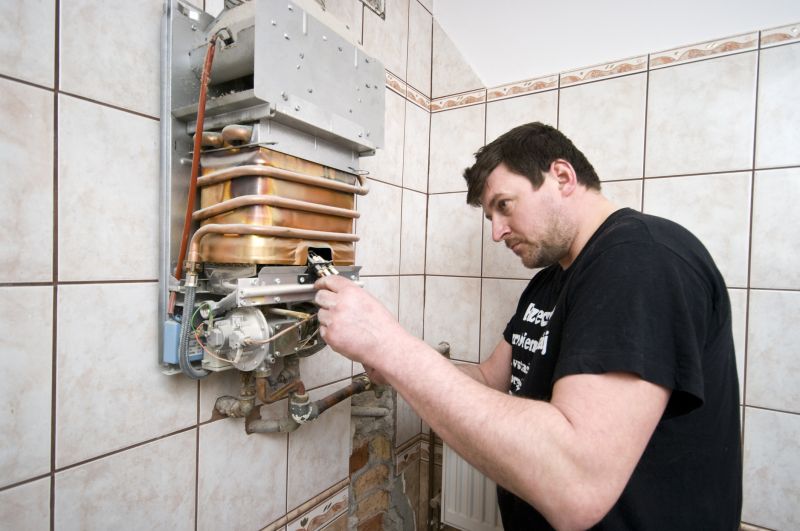
Routine maintenance to ensure safety and efficiency.
| Scenario | Recommended Timing |
|---|---|
| Initial Home Construction | During or immediately after construction |
| Renovation Projects | Post-renovation to evaluate existing lines |
| Signs of Gas Leaks | Immediately upon detection |
| Scheduled Maintenance | Every 3-5 years |
| Extreme Weather Forecasts | Prior to winter or storms |
| Corrosion or Damage Signs | As soon as issues are identified |
| Upgrading Gas Appliances | Before installation of new appliances |
| Post-Repair Inspection | After any repair work |
Gas line service involves inspecting, repairing, and replacing underground or exposed gas pipelines to ensure safety and optimal operation. Proper timing of these services can prevent leaks, improve energy efficiency, and extend the lifespan of the gas infrastructure. Regular assessments are recommended to detect corrosion, leaks, or damage caused by environmental factors or aging components.
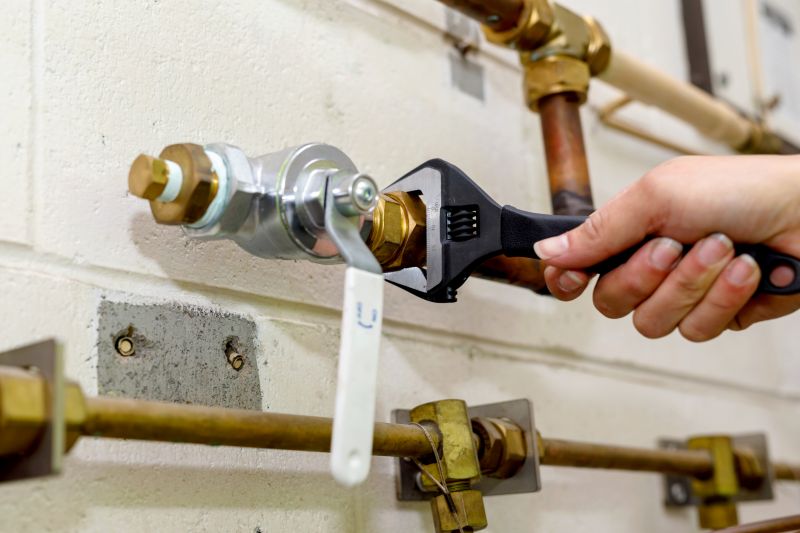
Advanced tools used for detecting leaks and corrosion.
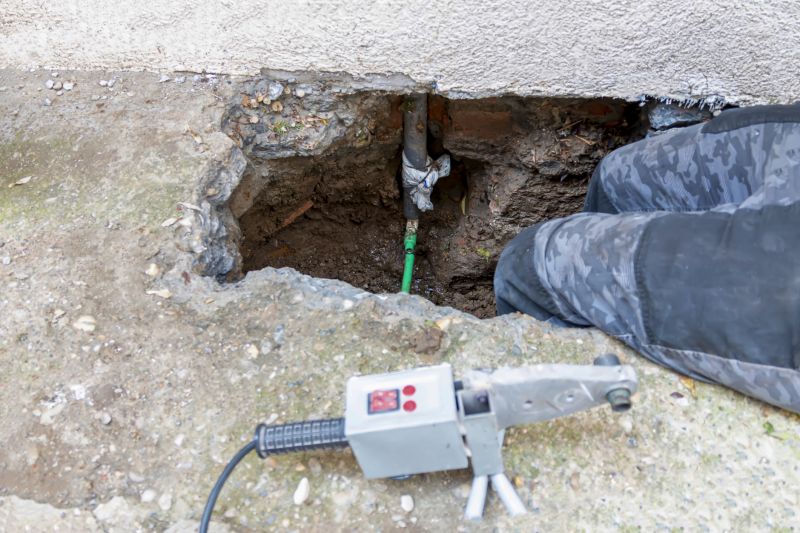
Technicians using electronic detectors to find leaks.
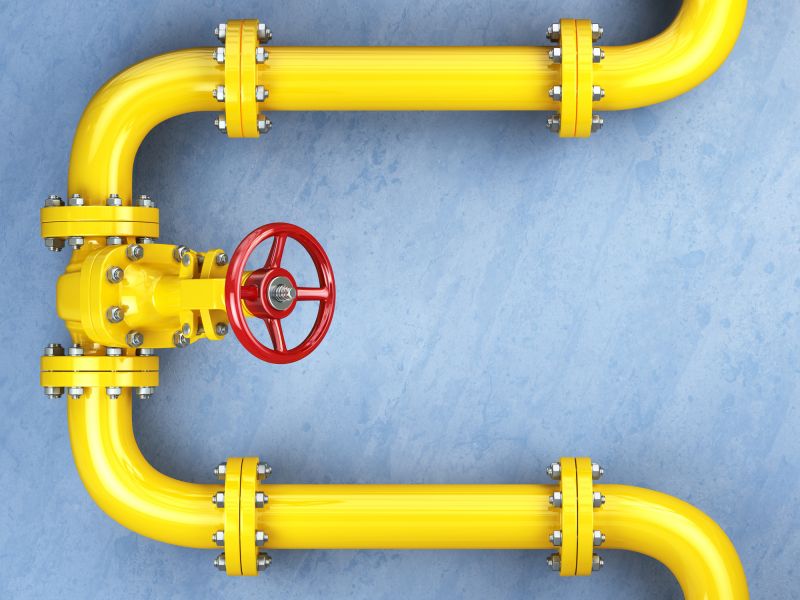
Replacing old or damaged gas pipes with new ones.
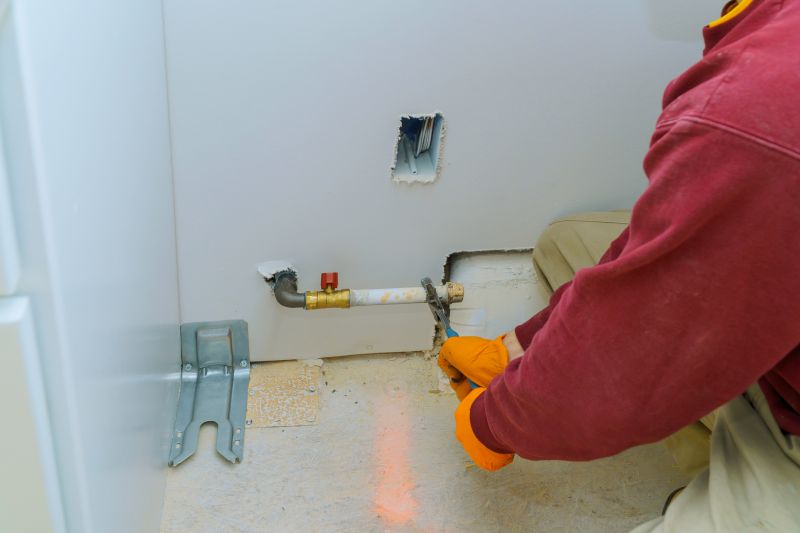
Ensuring the integrity of gas lines after service.
Scheduling gas line service at appropriate times minimizes risks and maintains safety standards. It is advisable to conduct inspections before seasons with extreme weather or before major appliance installations. Regular maintenance and timely repairs contribute to continuous safe operation of gas systems.
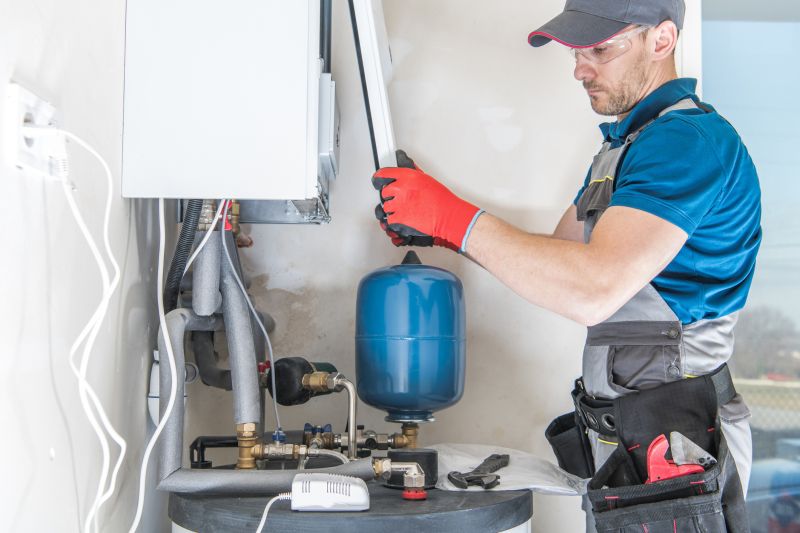
Professionals inspecting and repairing gas lines.
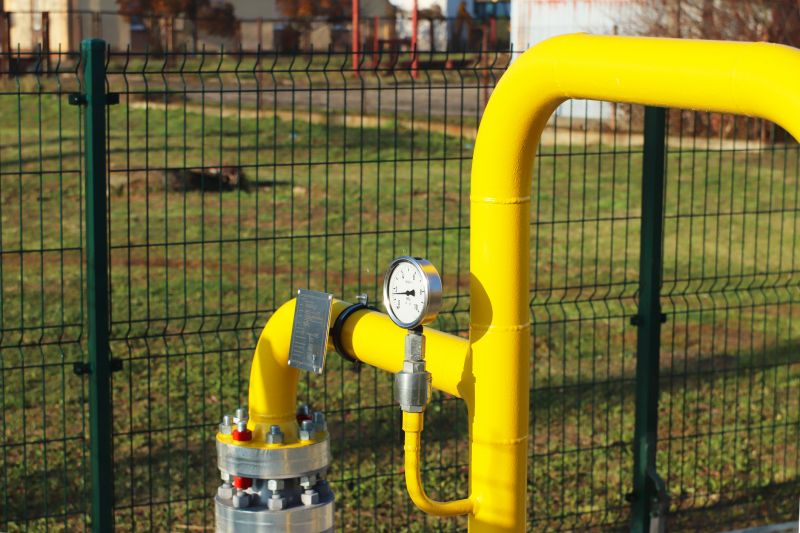
Various parts of gas piping systems.
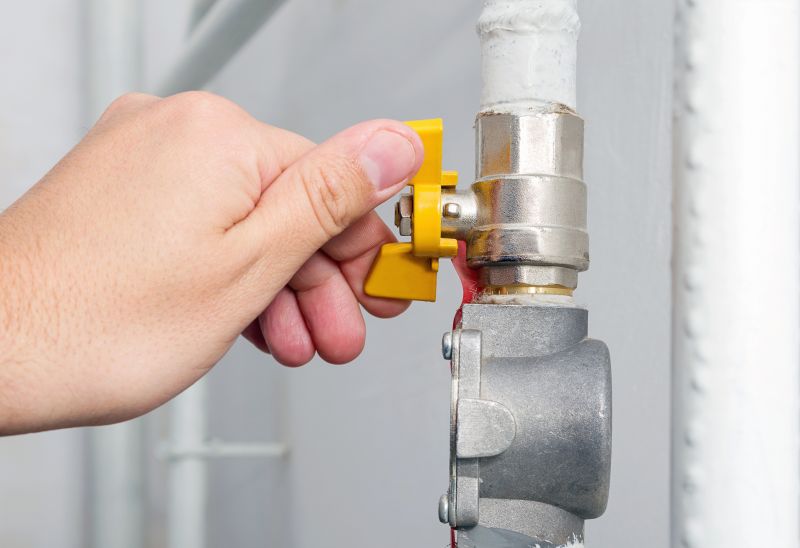
Finished repair work ensuring safety.
Interested property owners or managers should consider scheduling a comprehensive gas line assessment to ensure safety and compliance. Filling out the contact form can facilitate planning and executing timely service to prevent potential hazards and maintain efficient gas operation.